
How Plastic Molding Contributes to Sustainable Production
Injection molding of plastics is the core of current manufacturing, mainly to produce essential components for automotive and healthcare industries.
According to Grandview Research, the injection molding market size was valued at USD 285.5 billion in 2023. The global injection molding market is expected to grow at a CAGR of 4.9% from 2024 to 2030, underlining its increasing importance.
However, sustainability in this field has become critical to meet environmental and social expectations. Manufacturers are now looking at reducing waste, saving energy, and minimizing their carbon footprint.
This guide explores how plastic molding contributes to sustainable production. It offers insights into creating eco-friendly production processes while ensuring economic feasibility.
How Plastic Molding Contributes to Sustainable Production| 3 Effective Strategies
Optimizing injection molding processes requires strategic choices on materials, design, and operations to minimize environmental impacts without compromising product quality or performance.
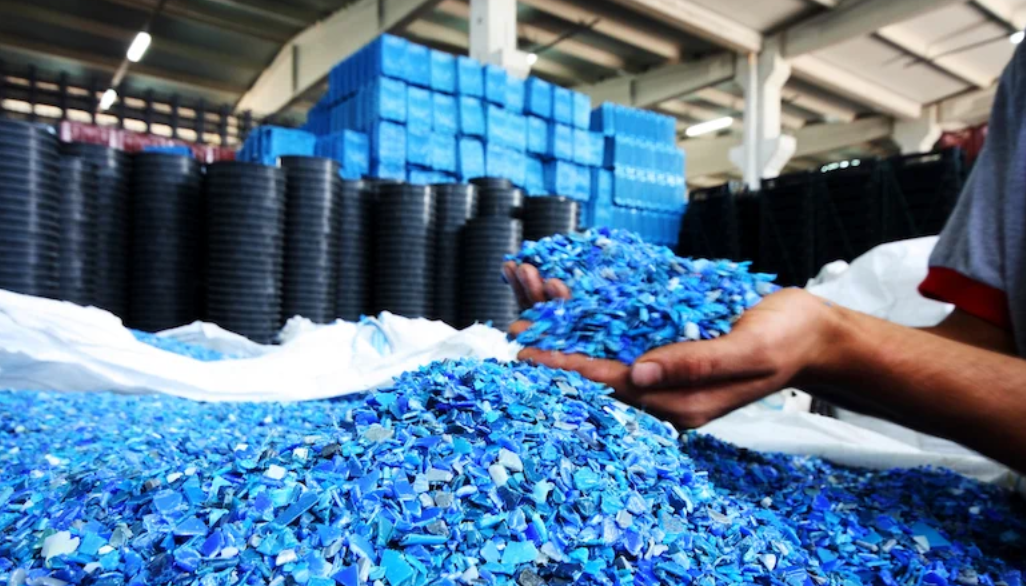
1. Materials and Bio-Based Polymers Selection
- Recycled Materials: Use recycled plastics, like LDPE, which are made from post-consumer waste, thus saving resources and reducing landfill waste.
- Bio-Based Polymers: Use materials derived from renewable sources, such as plant-based polymers, which reduce dependence on fossil fuels.
- R&D Investments: Cooperate with suppliers and invest in research for biodegradable and sustainable alternatives.
2. Implementing Design for Manufacturability (DFM)
DFM diminishes waste and improves efficiency in production by:
- Simplifying product designs through lowering complexity.
- Optimize mold layouts to reduce scraps.
- Standardize components to avoid tooling changes.
In addition, early prototyping and tolerance management also diminish unnecessary material waste and the costly rework that happens when products do not meet acceptable quality standards without using many resources.
3. Balancing Cost with Sustainability
To balance the cost:
- Perform life cycle assessments (LCA) to evaluate the environmental impacts of materials and designs.
- Adopt modular designs for parts that extend product life and simplify repairs.
- Utilize efficient prototyping techniques to identify sustainable solutions during development.
Advantages of Sustainability in Injection Molding
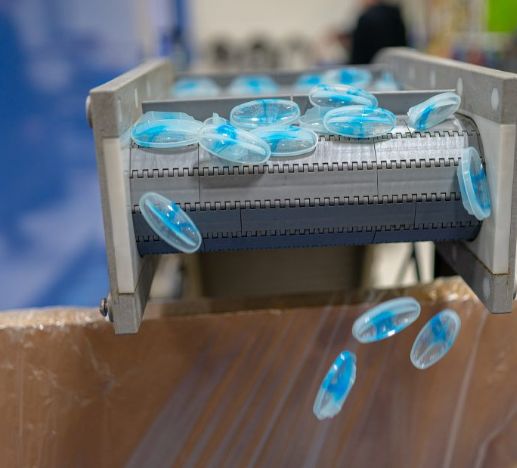
Now let’s discuss some benefits of injection molding in relation with sustainability
Environmental Advantages of Sustainability in Injection Molding
- Reduced Material Waste: Efficient designs and recycled materials minimize scrap and environmental harm.
- Improved Resource Management: Practices like water conservation and responsible chemical handling lower operational costs and promote environmental stewardship.
- Recycling and Reusing Materials
Injection molding allows efficient reuse of recycled plastics, reducing landfill waste and greenhouse gas emissions. - Closing the Industrial Loop
Recycled materials re-enter production, minimizing reliance on raw resources and supporting sustainability. - Eco-Friendly Prototyping
Recyclable plastics in prototyping reduce errors and resource consumption, promoting greener processes. - Cost Savings
Recycled plastics offer stable pricing, lowering costs and supporting sustainable practices. - Boosting Brand Reputation
Sustainable initiatives attract eco-conscious customers, enhancing brand loyalty and market appeal.
Economic Advantages of Sustainability in Injection Molding
- Lower Operational Costs: Energy-efficient machinery reduces electricity consumption, while streamlined designs decrease material use.
- Supply Chain Resilience: Reliance on renewable resources mitigates risks associated with scarcity or environmental disasters.
- Long-Term ROI: Though sustainability initiatives require initial investment, they yield savings through reduced energy use, fewer maintenance needs, and optimized processes.
Social and Corporate Responsibility
Sustainable practices enhance brand reputation and align with growing consumer demand for environmentally friendly products. Furthermore:
- Regulatory Compliance: Meeting environmental standards avoids fines and improves market credibility.
- Longevity: Reduced dependence on finite resources ensures operational viability in a resource-constrained future.
Challenges and Solutions in Sustainable Design
Key Challenges:
- Material Availability: Bio-based and recycled materials may have limited supply or higher costs.
- Compatibility Issues: New materials may not seamlessly integrate with existing molds.
- Performance Limitations: Sustainable materials might lack the durability or temperature resistance of traditional plastics.
Solutions:
- Partner with suppliers for consistent, high-quality sustainable materials.
- Modify molds and equipment to accommodate diverse materials.
- Reinforce critical areas of product design to address durability concerns.
- Utilize additives or material blends to enhance temperature resistance.
Sustainable Practices in Plastic Injection Molding
- Enhance Energy Efficiency: Use renewable energy sources and energy-efficient machinery.
- Select Sustainable Materials: Incorporate recycled or bio-based plastics.
- Implement Closed-Loop Systems: Reuse waste materials within the production cycle.
- Minimize Packaging: Reduce unnecessary packaging to cut resource use and waste.
- Waste Management: Develop processes to recycle or dispose of waste responsibly.
Choosing the Right Injection Molding Company
Selecting the right manufacturer is crucial to ensure a successful injection molding project. Here are a few tips:
- Check Credibility: Look for companies with positive client testimonials like Umer Engineering, valid licenses, and accreditations.
- Evaluate Services: Discuss your needs with potential manufacturers to ensure they can meet your specifications and deadlines.
- Prioritize Sustainability: Partner with companies that prioritize the use of recycled materials and environmentally conscious practices.
Sustainability at UEW
Umer Engineering is committed to sustainability through:
- Innovative Materials: Developing bio-based alternatives and the use of recycled plastics.
- Efficient Practices: Optimize design and production processes to zero waste.
- Collaborative Goals: Supporting customers’ sustainability targets through tailored solutions.
Wrapping Up
Sustainability in plastic injection molding is well beyond an environmental responsibility; it is a strategic advantage.
Manufacturers can achieve long-term economic, social, and environmental benefits by integrating efficient energy use, material recycling, and design optimization into their sustainable practices.
As consumer and regulatory pressures grow, adopting these practices is essential for future-proofing operations and contributing to a greener world. This is how plastic molding contributes to sustainable production
Reference
https://www.grandviewresearch.com/industry-analysis/injection-molding-market-report